There are many metrics for keeping track of what employees are doing, so here are some tips for doing it right. These tips should make it easier for both big and small businesses to keep track of individuals and teams.
Set your team up for success
The first thing you can do to make it easier to keep track of employee tasks is to set your team up for success. Without the right training and support, employees are much less likely to stay with the company and work hard.
Make sure everyone on your team knows what the expectations are around delivering work, communicating with the team, and any other aspect of your business that relates to their job. They should have a clear understanding of their role and responsibilities, as well.
Here are some additional tips for effectively leading and supporting a team.
Set appropriate goals
As a manager, you need to set achievable and realistic goals so that your employees don't get discouraged and quit caring. Employees should have goals that they can reach with a reasonable amount of work — not vanity metrics that don’t contribute to larger company goals.
These goals should also consider how long it takes to finish a specific task, how often important deadlines come up, and how busy an employee is. Each of these things affects how realistic a goal is, and it usually depends on the employee.
Document expectations and goals
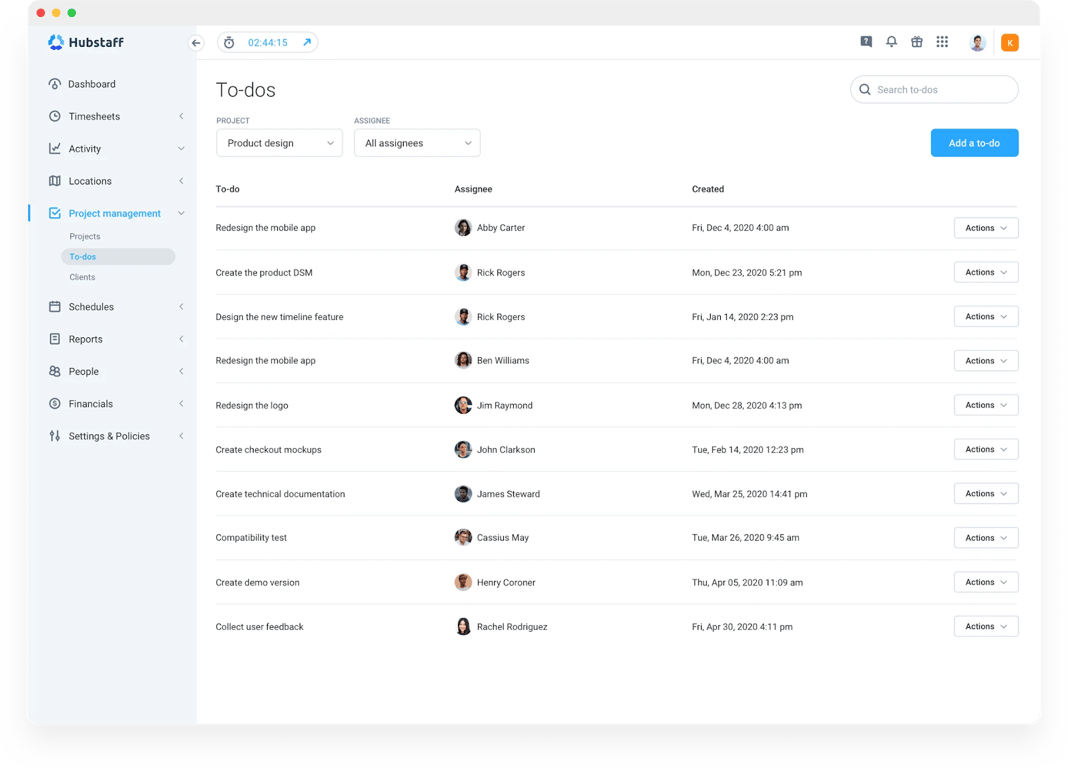
Managers should document these goals to ensure they’re on the same page with their employees. Some strategies might include creating checklists, templates, or workflows so employees can visualize their responsibilities ahead of time.
Recurring tasks can provide an easy-to-follow layout that assists employees in understanding what their managers’ expectations are. It’s also important to create documentation that can streamline processes, highlight milestones, and allow employees and managers to track progress towards a goal.
Provide training
By giving employees the proper training from the start, you can ensure that everyone is ready to do their jobs well. If employees have access to adequate training, they can learn whatever they need to accomplish their work correctly and on time.
Offer ongoing training so that employees can keep learning as processes change or as new software and tools are introduced into the workflow. You can also assign a mentor or ambassador, so they have a designated professional to help them out along the way.
Allow employees to give feedback
Setting up a team for success also means making sure they can talk to each other openly and honestly. Managers often give feedback to their employees, but it's just as important for employees to be able to say what they feel and think.
Managers should listen to their employees' comments, suggestions, and complaints. This will avoid employees feeling like they have too much to do or that their tasks are unrealistic. Just being open to feedback can go a long way in helping employees know that they are being heard.
Make yourself available
Keeping communication open makes it easier for employees to share how they feel at work or about things in their personal lives that could be impacting their performance. For this reason, managers should take extra steps to be available. You could have set “office hours” where you won’t have meetings scheduled, sbut can be available to your team.
This kind of honest communication is essential for building trust between employees and their managers, which can help the company by making employees more productive at their jobs.
Manage employees effectively
Another crucial part of keeping track of people and teams is managing employees effectively. A company's productivity can suffer without a clear framework and workflow. Here are some tips on how to efficiently manage your employees.
Set realistic goals and expectations
One of the essential parts of managing employees well is making sure they know what is expected. Without clear goals to reach, it's hard for employees to see if they're doing their jobs right and up to the company's standards.
Communication also ensures that employees are prepared for the amount of work and intensity their position will require.
Schedule daily updates
Setting aside time every day to check in with employees is another crucial part of managing a team. These meetings can be concise, but they are helpful because they give people a chance to talk about any worries or problems that may come up with the tasks for that day.
Daily check-ins, such as automated Stand-ups, help get around these problems in real-time so that all employees know what they need to do on a given project. They also encourage teamwork to keep tasks moving smoothly and at a good pace.
Track time management
Even though employees are expected to manage their own time, managers sometimes have to step in when employees don't use effective time management skills.
Manual or software-managed timesheets can usually demonstrate whether an employee isn't making the best use of their time. Managers can monitor tasks in real time to see if they are taking too long. The manager must then address the employee's time management issue by re-evaluating the employee's workload and, if necessary, offering better projects or more training.
Boost teamwork and team collaboration
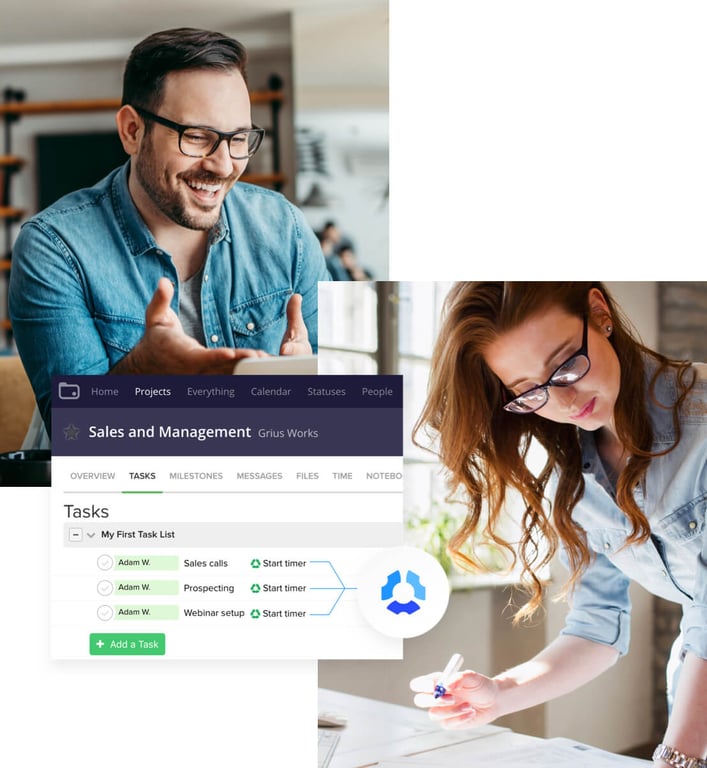
Managing employees well also means encouraging team collaboration in the workspace. Making sure that team members work well together and know each other's strengths and weaknesses is a good way for a company to encourage teamwork.
One way to encourage collaboration is to assign shared tasks that a cross-functional team can take and tackle together. Allocating team tasks like this encourages problem-solving and increases productivity since employees may build on each other's ideas.
Help with meeting deadlines
A manager also has to help employees know and meet their deadlines, especially if they want to ensure that all tasks are done by their due dates. Managers can encourage team members to participate in daily check-ins, make a to-do list, and keep the lines of communication open for the best chance at on-time delivery.
If unexpected requests come up, the manager can move tasks around as needed to lighten the employee’s load and ensure that essential deadlines are still met.
Maintain work quality
Managers can help discover issues by implementing a quality assurance approach. Quality assurance personnel or task management software can accomplish this task.
With QA, customer interactions with the company are tracked and evaluated. Suppose there is a reduction in the quality or a negative impact on the customer experience. In that case, these QA strategies can pinpoint the issue and provide a diagnosis, allowing the error to be corrected in the future.
Celebrate big wins
Finally, effectively managing employees involves recognizing and praising their achievements. Making employees feel good about achieving goals is critical. It shows employees that they are valued and encourages them to keep working hard and exceed the company's objectives.
Track tasks effectively
Organizing employee workloads and activities can be difficult, especially when multiple employees have a diverse set of tasks to fulfill. However, following the suggestions below can make the process much easier.
Organize your tasks properly
First, it's important to divide tasks among employees in the right way so that some don't have too much work and others have too much free time. So no one is overburdened, it is helpful to know how much work each of your employees is already doing and how many tasks they can take on.
It's also a good idea to consider each employee's strengths when delegating tasks. You can then assign each employee the tasks that best suit their capabilities for increased efficiency.
Maintain a high-level view
To organize tasks well, managers need to keep an overview of every project or task their employees are working on. A task list can help a manager keep track of what tasks are due and how far along they are. Additionally, managers should be aware of all task dependencies and check that projects are completed in the proper order.
Using a task management system or software can help make sure that tasks are never forgotten. This can be done by following a project management workflow where every employee is aware of their job responsibilities.
Create and communicate a risk zone
Managers should also set up alerts for tasks with due dates coming up or for tasks that have missed their deadline. This way, employees won't forget to do their jobs, and managers will know if an employee is having trouble or needs help.
Employees should know about this risk zone, so they are more likely to stay on top of their responsibilities and not feel singled out when a manager steps in to help them.
Measure and reward progress
It's essential to track how well employees are doing with their individual and team tasks. Managers can evaluate their success and look back when it's review time. The tips below will help you measure progress more effectively.
Track task stages
One method of measuring task progress is tracking employees as they move through different stages of their tasks.
By keeping track of how long each step takes, managers can determine if anyone is spending too much or too little time on a particular action. Managers can compare the time spent on each stage to the quality or outcome of that stage. This will help managers understand if an employee needs to spend more or less time on that area in the future.
Measure task completion
Another metric of progress is task completion. Managers can track the status of employees' tasks to gauge project progress, assess bottlenecks, and lay the groundwork to streamline tasks in the future.
Track timeliness
Timeliness is another thing that employers can watch to get a sense of how their employees are doing. Timelines are not just about finishing project tasks on time, but also about how many tasks or subtasks are finished on time. Timeliness also includes employees' work hours because they show how well they can keep to schedules and manage their time.
Managers can watch how things are going if more tasks are done on time or if employees learn how to use their time better.
Measure task accuracy
Progress can also be measured by looking at task accuracy, similar to quality. It is based on feedback from a quality assurance employee or a customer service survey. Progress from either of these two sources shows that the employee is getting better at doing a task correctly.
Reward progress
In the same way that managers should celebrate employee wins, they should also keep an eye on employee progress and reward them when they need to.
Managers can easily keep track of their employees' progress with all of the tips we've talked about so far. Track progress on different projects or individual tasks to see when employee productivity improves.
Rewarding project progress will make people more likely to work hard and be dedicated in the future.