If you want time tracking adoption without all the friction, you need buy-in. Not from everyone at once, but from the right places, in the right way.
1. Involve employees in choosing the tool and shaping the rollout
Don’t just drop a platform on your team and expect them to be enthusiastic about it. Instead, start with a shortlist of options and invite feedback.
A small pilot group can stress-test the tool, flag usability issues, and help shape how it’s introduced. That early involvement pays off because people are far more likely to support something they helped build.
Build in feedback loops to discuss:
- What’s working
- What’s getting in the way
- What improvements can be implemented
- How to implement said improvements
Then act on the answers. Trust will compound over time.
2. Be crystal clear about what’s being tracked and what’s not
Most resistance comes from uncertainty.
“Will this track my every move?” “Will it flag me for being inactive when I’m thinking or off-screen?”
Before rollout, define exactly what you plan to monitor (i.e., time on tasks, project management, etc.), what won’t (i.e., private apps, idle time), and who sees the data.
Tools like Hubstaff let teams adjust settings to match their culture by allowing them to:
- Disable screenshots entirely
- Track only specific projects or hours
- Keep visibility limited to team leads or project owners
That level of control tells your team exactly what to expect while making it clear they won’t be tracked without consent or context.
3. Tie it to something that benefits them, not just you
If time tracking only helps managers create reports, don’t expect much buy-in (if any).
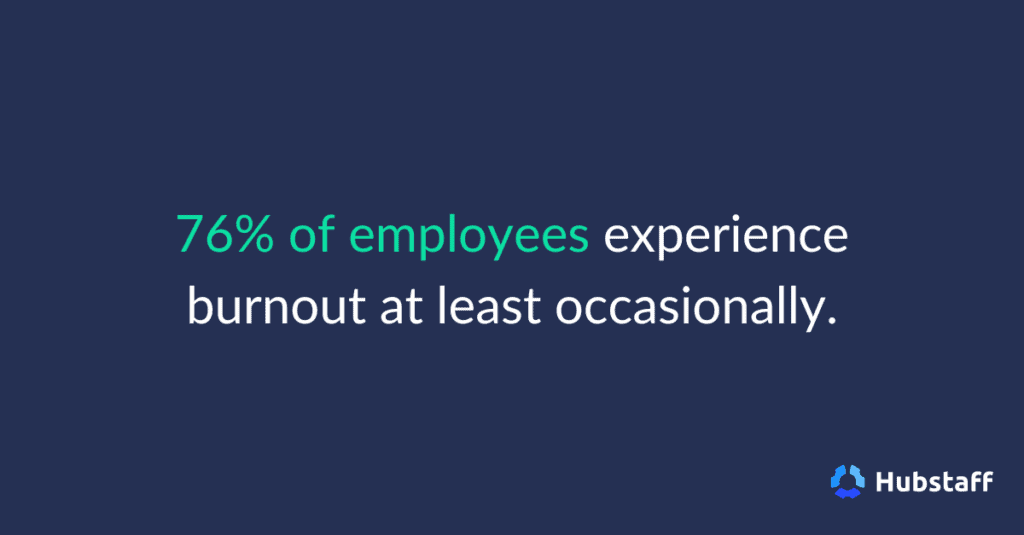
But it’s more relevant if it helps the team balance workloads, avoid burnout, or make a case for hiring.
Frame it like this: “When we understand where we spend time, we can fix overloaded schedules, plan smarter, and protect space for focused work.”
4. Track time and outcomes, never just hours
Accurately tracking employee hours is crucial to success, but nothing kills motivation faster than being measured purely on time spent working. If someone completes their work in six or seven focused hours, they shouldn’t feel pressure to fake eight.
Pair time data with output-focused KPIs to show what really matters. Depending on the team, that could include:
- Project milestones hit
- Client satisfaction scores
- Sales closed or revenue generated
- Story points or tasks completed
- Internal deadlines met
Time spent is but one lens. It’s only useful when paired with something that reflects impact.
5. Start with champions, not mandates
Don’t roll it out company-wide on day one. Instead, start with a few well-respected team members open to testing and giving feedback. These early adopters can help shape the narrative and build credibility internally.
Autonomy has always been one of the top priorities for many employees. It’s in your company’s best interest to protect it.